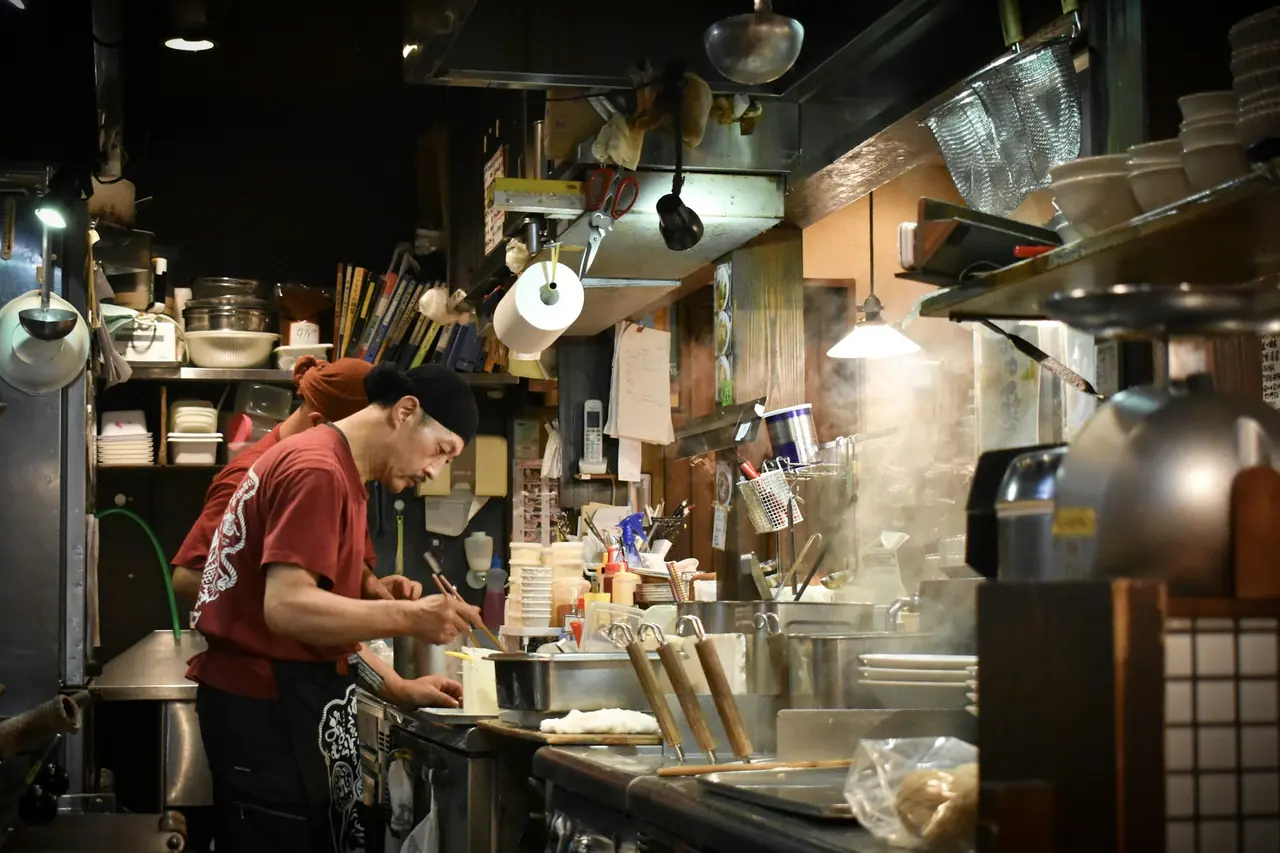
A generation of Kansas City chefs is opening restaurants they run alone, with menus short enough to cook solo and seating small enough to serve themselves. Some are thriving, and the ones that fail fail for the same reason. The format is now common enough to be a trend.
Cinder Block Coffee is four stools, two espresso machines and one barista, and it clears 320 transactions a day between seven in the morning and two in the afternoon. Owner Theo Kastner calls the operation a one-person restaurant with a coffee license attached. Kastner works five days a week and says he has turned down two offers to expand.
That model has moved well beyond coffee. A taco counter in Westport books $9,400 a day at peak, a bento counter in Brookside sells 180 lunch boxes on a weekday, and a pastry operation in Riverside sells out by nine on Saturdays. None of the three has a liquor license, and none has a dishwasher.
Kansas City may be the metro where the model is most concentrated. A local consultant who tracks independent openings counted 47 one-person or two-person food operations launched since 2023, more than in Atlanta, Denver and Minneapolis combined by her count of similar concepts. The comparison is not exact, but the trend line is unmistakable across the metro.
The reason the format works here is specific. Rent on a 400 square foot counter with 30 seats runs between $3,200 and $5,600 a month, well under what a full restaurant pays for a room with 80 covers, and the metro has a deep bench of prep cooks and line staff willing to work part time.
The failure pattern is always the same. Eight dishes on one prep station, and the lunch rush kills you by noon.
What decides a business is not the rent. It is the second operator. A consultant who has advised 11 solo operators said the failure pattern is nearly always the same: the owner built a menu with eight dishes, ran out of one prep station by noon, and lost the lunch rush to a single ticket. Rent, labor and equipment are the three lines that decide whether a solo operation survives.
The survivors run one thing. Kastner serves four drinks and two pastries. The Westport taco operator sells one protein and one rice dish. Simplification, in these cases, is a labor decision rather than a branding one. A counter operator in Riverside said the same thing about her three-item menu.
Scale arrives sideways. Cinder Block now sells a coffee program to two convenience stores in Blue Springs and takes orders for a bakery in Prairie Village, so the counter is a laboratory for a larger wholesale business rather than the business itself. The wholesale work now accounts for about 29% of the counter's revenue.
The limits are physical. A single operator cannot be sick, and a business that depends on one person cannot absorb a vacation without closing. Two of the seven operators the Journal interviewed have hired a backup, and the others have not. Insurance is the other gap, because coverage for a one-person business is priced like a small employer's.