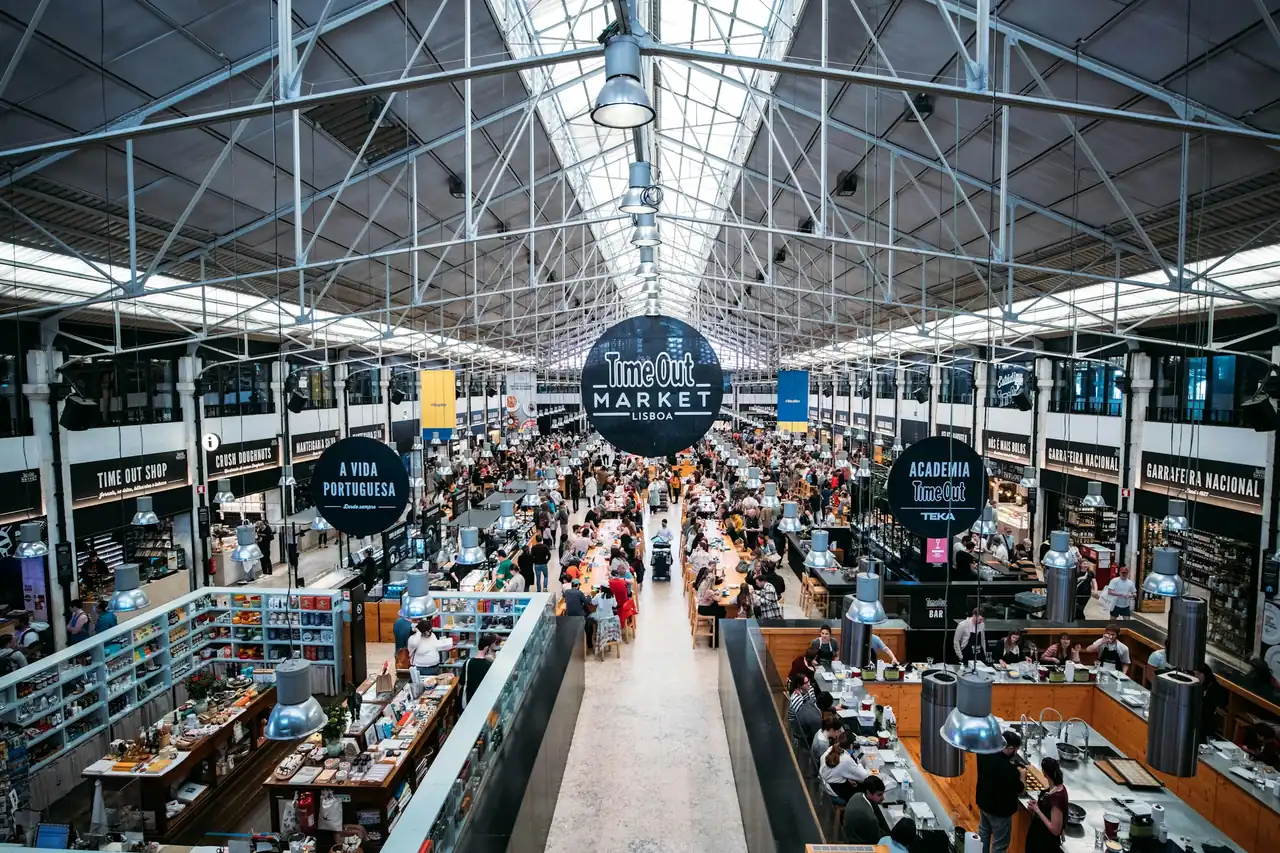
A warehouse-scale anchor space in the River Market that sat empty for six years opened this month as Tannery Hall, an 11-operator food hall built entirely around Kansas City vendors rather than national chains. It took six years to sign, and the landlord had given up on the space twice.
The building has a long vacancy record. At 51,000 square feet on the north side of the market, it lost its anchor grocery in 2019, hosted a short-lived fitness club and then sat with its loading doors chained until this spring. The building's owner, a family investment firm, declined to say what the space has cost to hold.
The lease was signed in January for 27,000 square feet, or about half the building, with the landlord keeping the remainder for a smaller-scale food concept that has not been announced. Asking rent was $14 a square foot, which is below comparable market space in the district. The asking rent was $16 a square foot before the deal, and the landlord accepted a two-year free-rent period.
The landlord took a structure many owners avoid: a percentage rent that starts at 4% of tenant sales and rises with the success of the concept. Twelve of the 27,000 square feet is common area, and the food hall operator has agreed to cover maintenance of it for five years. The hall's operator, which has run two smaller food halls in the metro, takes on the leases and the build-out.
The lineup is deliberately local. Nine of the 11 stalls belong to operators who already run businesses elsewhere in Kansas City, including the owners of Pine & Plate and two bakeries from Shawnee, and only two are first-time restaurateurs. The hall charges a 4% marketing fee on top, which is how the operator pays for its own staff.
We could have signed two national chains in a week. The landlord wanted local operators, and that is now the thing people say they came for.
Day-one performance has been strong. The hall averaged 4,100 visitors a day in its first week, and the operator said Sunday breakfast service generated more revenue than the whole of the first Monday, which is not how food halls usually start. Six of the eleven stalls are serving breakfast, a decision made after the first week of testing.
Food halls are not new in the city, and this one had competition. A 2022 opening two blocks away is running at 71% occupancy after adding a craft beverage partner, which operators here read as a warning about how quickly novelty fades. Operators in the market say the two-block gap matters less than the two-year gap between openings.
The economics are the part tenants will feel. Stalls rent at a base of $2,900 a month plus a percentage of sales, and vendors on shared prep space pay a further $14 an hour for production time they do not need every day. Stall rents in comparable halls run from $2,400 to $4,100 a month, and the percentage terms differ more than the base.
For the market itself, the opening adds about 140 seats to a district whose food and beverage vacancy had been treated as structural, and it puts a second tenant in a building that had become a symbol of the market's leasing problem. For the building, the lease is worth $4.5 million over ten years, which is more than the old grocery produced.