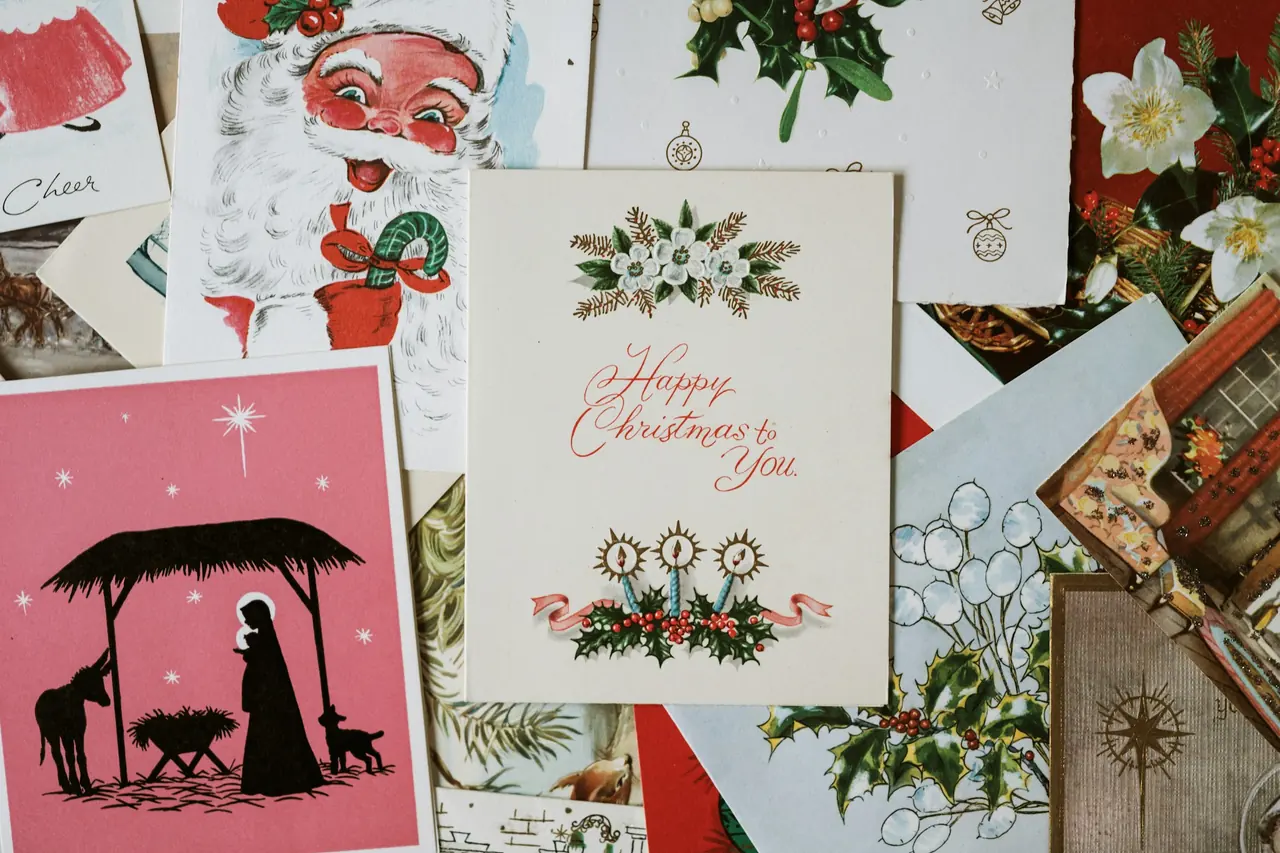
Ravensworth Cards, a Kansas City greeting-card maker founded in 1929, has converted 38% of its revenue to digital gift licensing while keeping physical product in 4,100 retail doors. The company says it is the first time in its history that the digital side is the larger of the two. It is a corporate pivot hiding in plain sight.
The archive closet at Ravensworth's Crossroads Arts District headquarters holds roughly 1.4 million card designs, some dating to the 1930s, along with a licensing catalog that outsiders can now license directly. Chief executive Grant Whitfield said the catalog is the company's largest asset, and it was nearly invisible until 2023. The scan project now holds 60 terabytes of images, and the licensing queue has grown to 300 requests.
Digital products now generate 38% of revenue, up from 9% in 2022. The shift covers e-card downloads, licensed artwork for third-party planners and greeting card apps, and a subscription service that delivers a personalized card on a schedule set by the buyer. Subscription accounts now number 140,000, and most are gift buyers who never intended to buy a card.
Physical product is not shrinking. Unit shipments in the fourth quarter rose 6% year over year, and the company added 340 doors in the past year, most of them independent gift shops and farm market stores rather than big-box greeting card aisles. The company ships to 4,100 doors through three distribution centers, two of them in the region.
The change in mix has not been painless. Retail buyers who once negotiated on unit volume now negotiate on licensing terms, and Ravensworth has had to build a licensing group of 14 people that did not exist three years ago. Retailers who wanted to discuss print volume had to take the licensing terms instead.
The archive was always the biggest asset. It took us four years to admit we were in the licensing business and not just the greeting card business.
Margins tell part of the story. Digital licenses carry contribution margins near 80%, against roughly 42% on printed cards, and the mix shift is credited with lifting operating income 29% in the past two fiscal years. Gross profit dollars have risen even as unit counts have flattened, which is the point of the pivot.
Competitors have noticed. A rival card publisher in the metro has begun licensing archive art of its own, and Ravensworth's licensing director said the archive is not defensible indefinitely, which is why the company is scanning new artwork faster than it used to. Ravensworth has responded by adding 26 full-time artists, most of whom work in two formats.
The workforce effect is modest in numbers but stark in kind. The company employs 340 people, down from 390 in 2022, while its digital team has grown from 9 to 61, most of them software and licensing staff rather than print designers. Print design headcount fell from 54 to 29 over the same period, and nobody has been laid off.
Whitfield said the company does not plan to stop printing cards. It plans to make sure that in ten years, nobody has to ask whether the physical business was the point, because the licensing revenue will already be carrying the printing plant. Her own reading is that the two halves of the business now prop each other up.