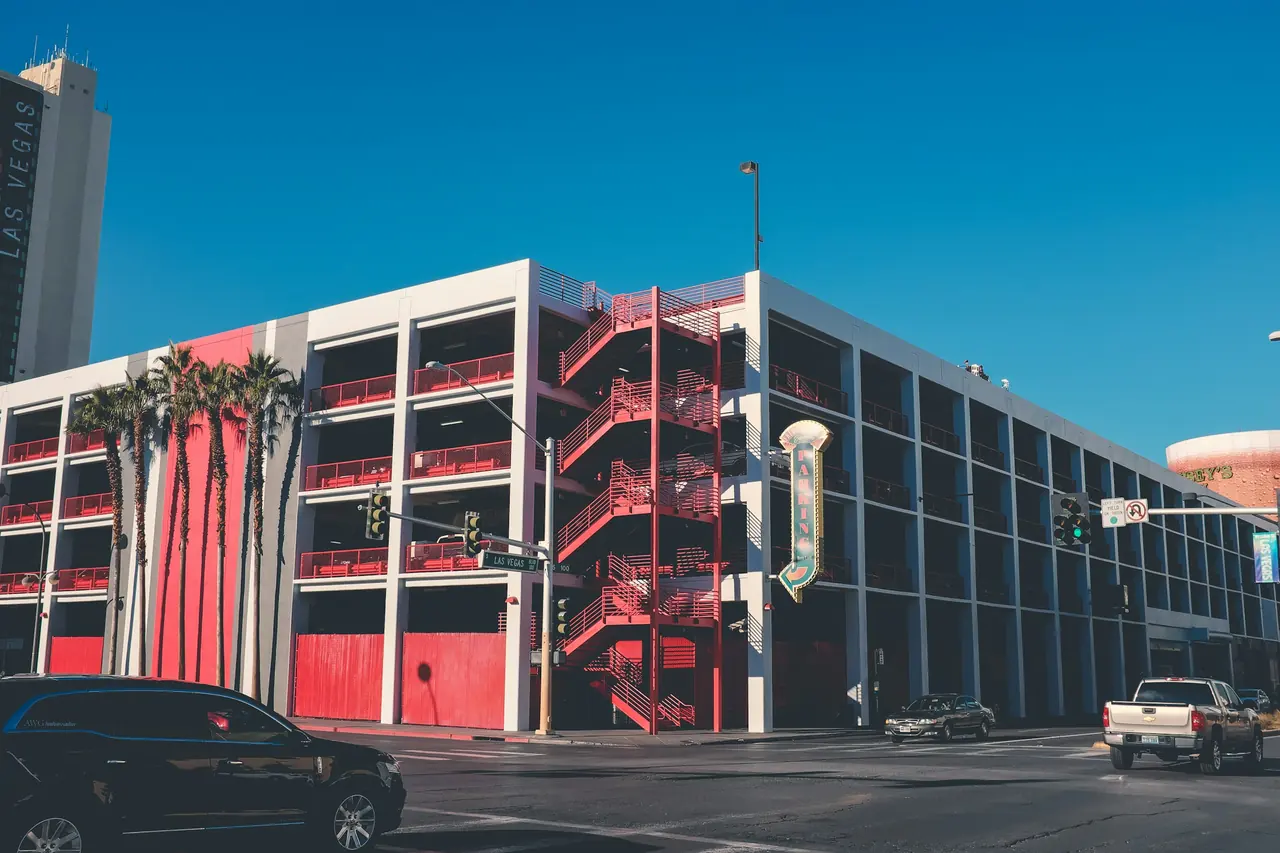
A draft ordinance circulating among Kansas City City Council members would set a minimum monthly levy on parking sold at city-owned garages, a proposal that downtown groups say would raise the cost of doing business on the block. No vote is scheduled, and support is thin so far.
The draft is three pages and it is not yet on a committee calendar. It would require every city-owned garage and lot to charge a minimum of $8 per space per month, on top of whatever the operator already charges for parking at the meter or the gate. The proposal also sets a $4 minimum for surface lots, which are used mostly by contractors rather than commuters.
The rationale is fiscal and urban. City officials writing the proposal point to garage occupancy that averages 71% on a weekday and 34% overnight, and to a downtown whose businesses say the cost of a car has become the most visible tax on them. An official involved in drafting it said the point is to make the cost of a downtown car visible to drivers.
The arithmetic in the draft is optimistic. Finance department figures attached to the proposal project about $11 million a year at the $8 minimum, using the assumption that roughly 40% of the affected spaces would increase in price rather than lose occupancy. That assumption is disputed by one garage operator, who says the figure is closer to 20%.
Downtown organizations are not persuaded. A restaurant association representing 41 downtown operators sent a letter opposing the levy, arguing that a fixed floor price removes the operator's ability to discount overnight parking for shift workers and for the valet and delivery staff downtown restaurants depend on. The association's executive director said the letter drew 38 signatures from operators with combined sales of $44 million.
A floor price does not make parking more expensive for a downtown worker. It makes it expensive for the restaurant that employs one.
Retailers see a different problem. A downtown specialty retailer whose business depends on weekday foot traffic said a floor price effectively taxes the shopper's decision to drive downtown, and that the effect will show up in sales a year later rather than in a parking report next quarter. That retailer moved from a suburb in 2023 and has watched sales rise 11% since, which complicates the argument.
Counterarguments come from the garages themselves. One operator said the minimum would mostly formalize what downtown pricing already does in practice, since most garages already set floor rates during the day and use promotions overnight to fill empty space. Another operator said most of his overnight business is shift workers, and that a floor price ends the discount.
The proposal has an unusual coalition. Some downtown advocates support it on equity grounds, arguing that structured pricing is better than a mix of free street parking and expensive garages, and that a published floor rate at least makes the cost legible to visitors. Council staff have flagged the proposal as underfunded, since enforcement falls to parking enforcement officers.
The committee chair said the proposal will return for public hearing before any vote, and that the $8 figure is a starting point rather than a settled number. Parking revenue, like the parking business itself, will be negotiated. The public hearing has not been scheduled, and staff say the draft could change substantially before it does.