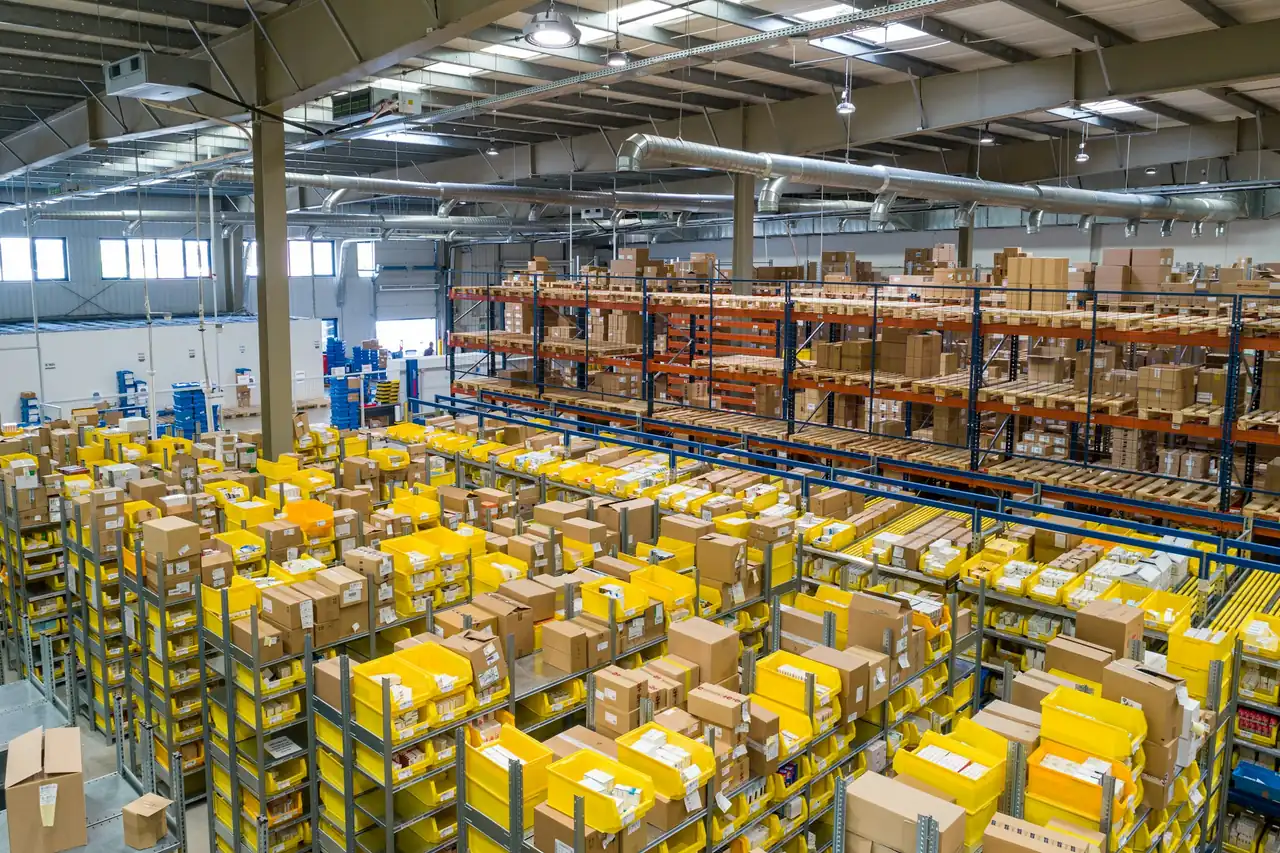
Retailers across the metro are converting stores into hybrid fulfillment hubs, adding staging space, lockers and parking pickup lanes. The average remodels in the Journal's review added 900 square feet of back-of-house capacity to buildings that were designed for shoppers. The change is now standard practice.
The change is visible from the parking lot first. At a Bellweather Grocers remodel in Overland Park, four curbside pickup bays are marked along the north side of the store, each with a numbered post, and pickup orders are staged in a room that used to hold frozen food. The bays are numbered because the staff learned quickly that people will hunt for a car.
Store designers say the conversion is now standard practice rather than an experiment. Of 42 remodels completed in the metro since January, 31 included a dedicated pickup zone, up from nine a year earlier, and the average project added 900 square feet of staging or storage space. That is nearly triple the 2024 share, and the trend has held through the summer.
The economics come down to who pays the last mile. Retailers that ship from a warehouse pay roughly $7.40 an order in packing and carrier fees, while picking up an order in store costs about $1.10, according to figures from a design firm that has planned 14 of the remodels. The gap has widened since 2022, when the two numbers were within 40 cents of each other.
It is also about the last item. Online shoppers who click and collect still buy, and a store that can serve them without a shipping label keeps the sale inside its own building. One specialty retailer said in-store pickup orders account for 31% of its online orders, against a national average closer to 20%. A 15% revenue lift on the same square footage is the argument the owner made to his board.
Why the store keeps winning
Shipping from our warehouse costs about seven dollars forty an order. Handing it over the counter costs about a dollar ten. That math decides the floor plan.
The cost is not small. Remodels run between $180,000 and $2.4 million depending on whether the project is a dedicated micro-fulfillment site or a small counter, and payback on the larger projects runs 26 to 34 months at current order volumes. Two of the larger projects are dedicated micro-fulfillment sites, where a leased building carries no sales floor at all.
Smaller independents are improvising. Two Kansas City hardware store owners converted a shared back room into a pickup and returns point under a reciprocal agreement, a workaround that costs them about $400 a month and requires no construction permit. It works because both stores are open six days and already have people at the counter.
The square footage nobody budgeted for
There is a limit to how much a store can absorb. A consultant who works with grocery and pharmacy formats said pickup volumes above roughly 60 orders a day start to interfere with shoppers, and that retailers who push past that point see in-store sales fall more than the pickup business gains. Above that level, the queue on the sidewalk becomes its own problem.
Vendors say the shift is permanent. A shelving and fixture manufacturer in the metro said orders for staging systems are running 60% above 2023 levels, and that several of her customers have redesigned twice already. Fixture lead times have stretched to 11 weeks, which has pushed several remodels into next year.