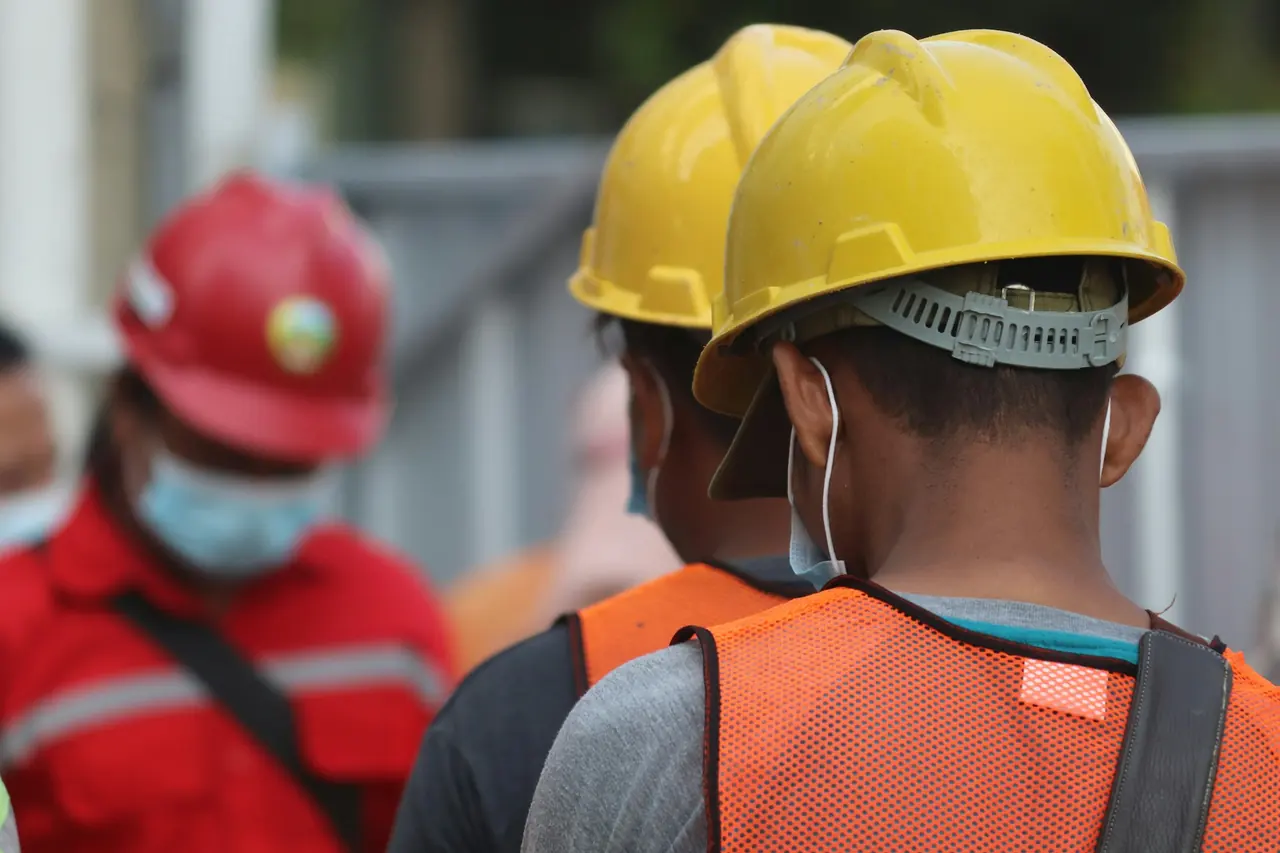
Ironbark Construction grew its payroll by 300 workers in a year, the company said, adding both craft labor and project managers as healthcare and industrial projects compete for the same crews in a market that cannot train them fast enough. It says hiring is now its biggest constraint.
Ironbark Construction finished 2025 with 1,480 employees, up from 1,180 a year earlier, and expects to close 2026 near 1,750. The firm's backlog reached $612 million in December, an increase of 38% that project executives attributed mostly to two hospital campuses and three industrial shells. The firm also reported $2.1 billion in new work signed since July.
The hiring is running ahead of the work. President Terrence Boyle said the company took on 120 workers in February for projects that do not break ground until September, because the alternative was a subcontractor with the same crew already booked for the third quarter. The company has opened its own recruiting office in the West Bottoms.
Wages are the constraint that turns into cost. Average base pay for a carpenter in the metro has risen to $38.60 an hour from $33.10 three years ago, and Ironbark says it now spends an additional $9.40 an hour on payroll taxes, insurance and recruiting fees it did not carry in 2022. Apprentices make up 12% of the company's craft workforce.
That expense shows up in bids. Two general contractors in the metro told the Journal they are quoting healthcare projects 11% to 14% above the prior year on labor alone, and one said it has begun excluding overtime from preliminary budgets to keep numbers from moving. Another said the estimates now carry a three-week validity window.
We hired for work that does not break ground until September. The alternative was a crew that somebody else had already booked.
Not every hire is skilled craft. Ironbark's growth has been heaviest in project management and safety, roles it added to support multiple simultaneous sites, and the company says it has converted 46 of its own laborers into superintendents over two years through an internal training program. The company says it has 46 candidates in an internal promotion pipeline.
Subcontractor capacity is thinning as well. A plumbing contractor working on three Kansas City hospital campuses said it has stopped taking new work below a certain size because it cannot crew a second shift, and that its prices for large projects now carry a 90-day lead time. Tradespeople in the metro say the same thing from the other side of the table.
The bigger question is what the wave does to smaller builders. A residential contractor in Lee's Summit said his bid rejections from general contractors rose from one in ten to one in four this year, mostly because large projects are taking crews and bonding capacity before he can bid them. Bonding companies have also tightened, which limits how many projects a small builder can hold.
Ironbark is not counting on the wave lasting forever. Boyle said the company is deliberately keeping its pipeline diversified across healthcare, industrial and municipal work, and that roughly 40% of the new hires are cross-trained to build either laboratory space or distribution interiors. The firm says no single client accounts for more than 9% of its backlog.