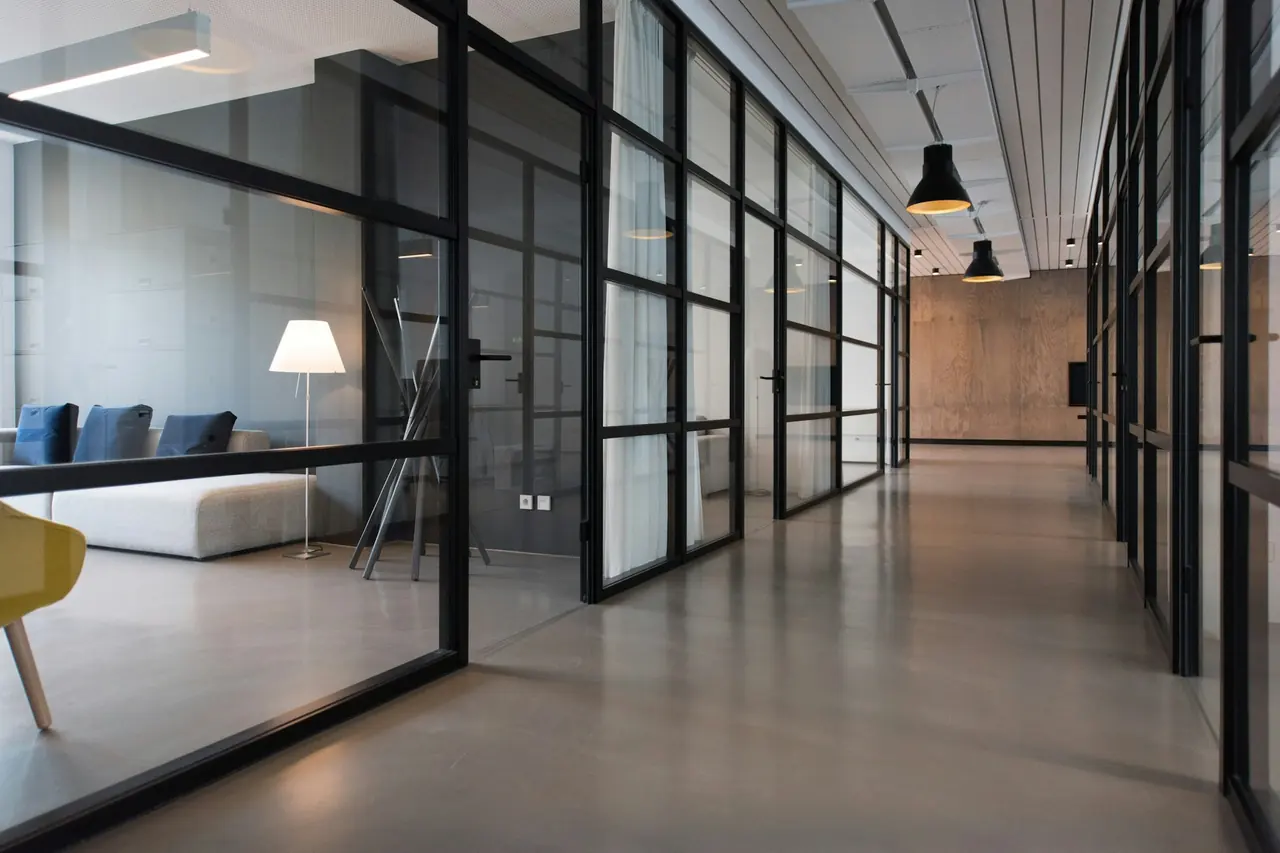
Kansas City office landlords spent the fourth quarter converting empty floors into furnished offices they can rent by the month, a defensive move that is reshaping rents, concessions and the floor plans downtown brokers are still showing to prospects. The quarter closed on that note, and the price is still moving.
The fourth-quarter data is a snapshot of an unusual market. Downtown availability ended the quarter at 22.4%, against 19.8% at the start of 2026, and asking rents averaged $29.50 a square foot on a full-service basis, which is to say the market is losing pricing power while it loses tenants.
Landlords responded by shrinking the unit. Brokers report 310,000 square feet of vacant space converted into furnished, month-to-month offices in the last three months, the largest quarterly conversion volume since 2021 and a large share of what came available during the quarter. Conversion requires new plumbing, power and a separate meter for each suite.
Concessions are now the market's real currency. A new five-year lease on a full floor came with a free 14 months of rent and a $95 a square foot improvement allowance, the largest allowance the Journal has seen for a downtown full-floor deal in four years.
The flex product does not carry the same numbers. A 12-desk suite in a downtown conversion rents for $4,100 a month fully furnished, roughly $342 a desk, against $386 a desk for a direct lease on the same building two blocks away. The flex rate also includes utilities, cleaning, furniture and four hours of meeting room use.
Concessions are the real currency
A landlord is not writing off a 14-month concession to fill a suite when a monthly rate is sitting right there.
Landlords like the arrangement for one reason above the others. A flex operator pays a management fee on collected rent, so a landlord is not writing off a 14-month concession to fill a suite, and a landlord can reprice a monthly unit when the market moves.
Owners are watching the conversions with caution. A downtown building owner whose 2019 lease is now underwater said the flex conversion in his building three floors down has taken four tenants he would have preferred, and he is renegotiating his own renewal rather than losing the floor to a monthly rate. The same landlord now quotes flex terms in the marketing brochure.
Who absorbs the new middle
The tenant response is not one-sided. A law firm that moved from a suburban office to a downtown flex suite in August said the cost was 18% lower and the ability to expand by ten desks in a month was worth more than the prestige of a private floor. Another said she moved because the firm was merging and needed space in January.
Suburbs are not standing still. Overland Park and Leawood have seen 11 smaller flex conversions this year, and one national operator now runs a downtown location and two suburban ones under a single brand, which brokers say blurs the line between the two markets. A brokerage that represents both kinds of tenant says the two products no longer compete.
Nobody expects this to be the last configuration. What is clear is that the empty floor is no longer what most landlords are actually trying to lease, and the monthly desk has become the product that clears fastest. It is a smaller market than the one that peaked in 2021, but a cleaner one.