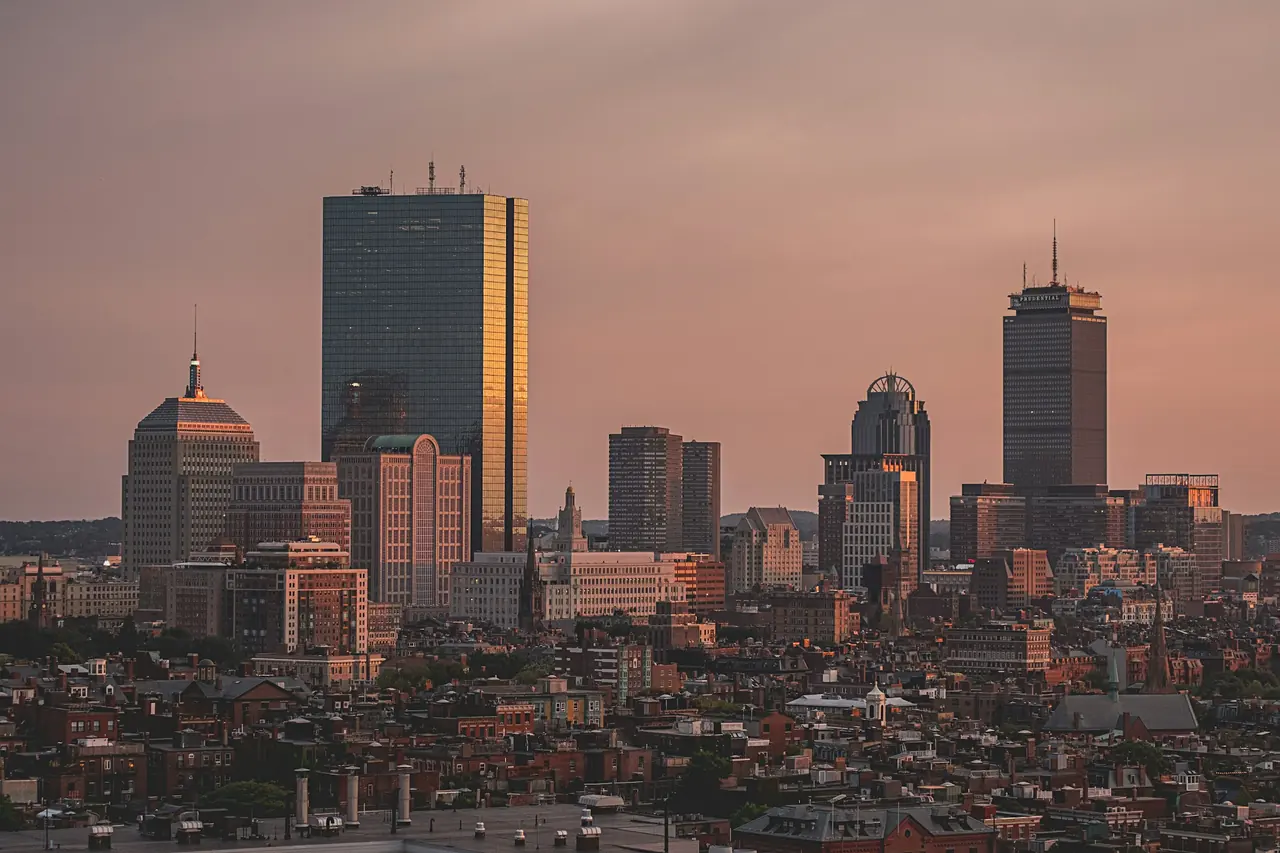
Kansas City enters 2026 with more construction, more manufacturing payroll and more nonprofit hiring than it has had in a decade, and with an office market and a housing market that are still finding their floor. These are the eight numbers we will be watching.
The first number is employment, and it is the one that decides the rest. Kansas City added 38,400 jobs in 2025 and the metro's unemployment rate finished the year at 3.6%, roughly a full point below the national figure, which is a labor market tight enough to keep pushing wages.
The second is construction. Permit filings for commercial and industrial work totaled $3.4 billion in 2025, the highest since 2021 and 44% above 2023, and that pipeline of 2026 starts is the main reason we expect the metro to outpace the country on growth this year. That pipeline has 41 months of work behind it.
The third is manufacturing payroll, which reached 214,000 jobs in the third quarter and is the highest figure in 15 years. That number is being driven by advanced materials plants rather than automotive assembly, which means it is more diversified and also more capital intensive. A dozen of those starts are industrial, and industrial projects hire the fastest.
The fourth is the nonprofit economy, which the Journal's census puts at $2.14 billion in operating revenue with 4,600 jobs added, and which is now growing faster than either of the metro's two headline industries on a percentage basis. It is now the third-largest employer category in the region.
The four numbers working
The condition on this forecast is not financial. It is whether the housing gets built fast enough to hold the people the construction boom is going to need.
The fifth number is the one to worry about. Downtown office availability reached 22.4% in the fourth quarter, and while flex conversions are absorbing space, each conversion is a landlord admitting that a floor built for one company will never hold one company again. Each conversion is a landlord conceding that a floor designed for one company will never hold one company again.
The two numbers that are not
The sixth is housing. Building permits are running 19% above 2024, but the median rent on a two-bedroom apartment in the city is still up 8% from two years ago, and affordability remains the constraint on the workforce the employers here want to attract. Affordability, not supply, is the constraint, and it will bind before the next tower is topped out.
The seventh is the regional visit, which matters more in Kansas City than in most metros because of the convention calendar. Hotel occupancy in the market district averaged 64% in the fourth quarter, down from 71% a year earlier, and the December convention season was weaker than expected.
The eighth is venture funding, which totaled $310 million in 2025 and was concentrated in four companies, a level of concentration that should concern anyone planning around a healthy local technology economy rather than a lucky one. A year in which four companies take most of the money is not an ecosystem, it is a portfolio.
Taken together, the eight numbers describe a metro that is adding jobs, building things and hiring in the sectors that pay, while the two hardest problems, office vacancy and housing affordability, have not moved in three years. That is the forecast: growth with a condition attached, and the condition is not financial. It is whether the housing gets built fast enough to hold the people the construction boom is going to need.